
services
At Windhoek Occupational Therapy we strive to offer comprehensive Occupational Therapy services.
The practice has excellent facilities and the therapists continually update their professional skills by attending workshops and courses on a regular basis. As we are a team of five therapists with different skills and interest fields, we are confident that we will be able to offer you the service you need. We have therapists with special training in the following fields: wheelchair seating, functional capacity evaluation & sensory integration therapy.
You can be assured – we have a commitment to excellence when it comes to the level of care we provide.
physical rehabilitation for adults and children
orthopaedics
Within the Orthopaedic section of medicine the OT is specifically involved with the treatment of hip-& knee replacements, amputations and burns.
It is the responsibility of the OT to help the client with mobility (in collaboration with the Physiotherapist), general participation in everyday activities, provision of assistive devices, desensitization and wheelchair seating and training where needed.


auxiliary services
Home visits:
Home assessments are often necessary to consider the practical issues associated with injury or disability. Your OT will assess your ability to participate in selected everyday activities within your home environment, and make recommendations for specialized equipment or structural adaptations to help make home life more comfortable for you and encourage you to maintain your independence.
Assistive devices:
OT's construct or recommend devices that can help people to function more independently. They also offer training in the effective use of these devices e.g. wheelchair mobility training; using an artificial limb or other devices to help with daily tasks.


Ergonomics:
This is the science of matching work environments to fit the abilities of the worker, thereby allowing the highest level of function. OT's are proficient in identifying and minimizing hazards in the workplace and with the use of ergonomic principles worker productivity can increase. Programmes can be implemented which include guidelines for a more efficient work environment, and which may in the long term prevent injury, OT's can help workers to return to work faster and suggest adaptations to regain efficiency.
hands & splinting
Occupational therapy plays a fundamental role in the recovery and rehabilitation of patients with upper limb injuries or conditions where proper movement has been affected. Their role is to get the patient to return to their daily tasks and activities with greater independence and mobility.
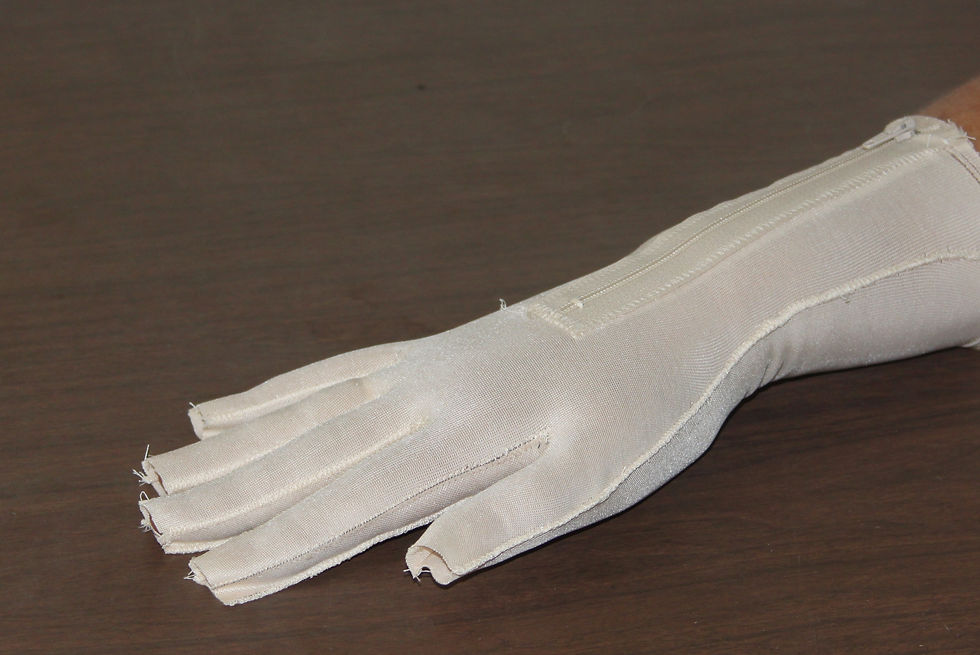
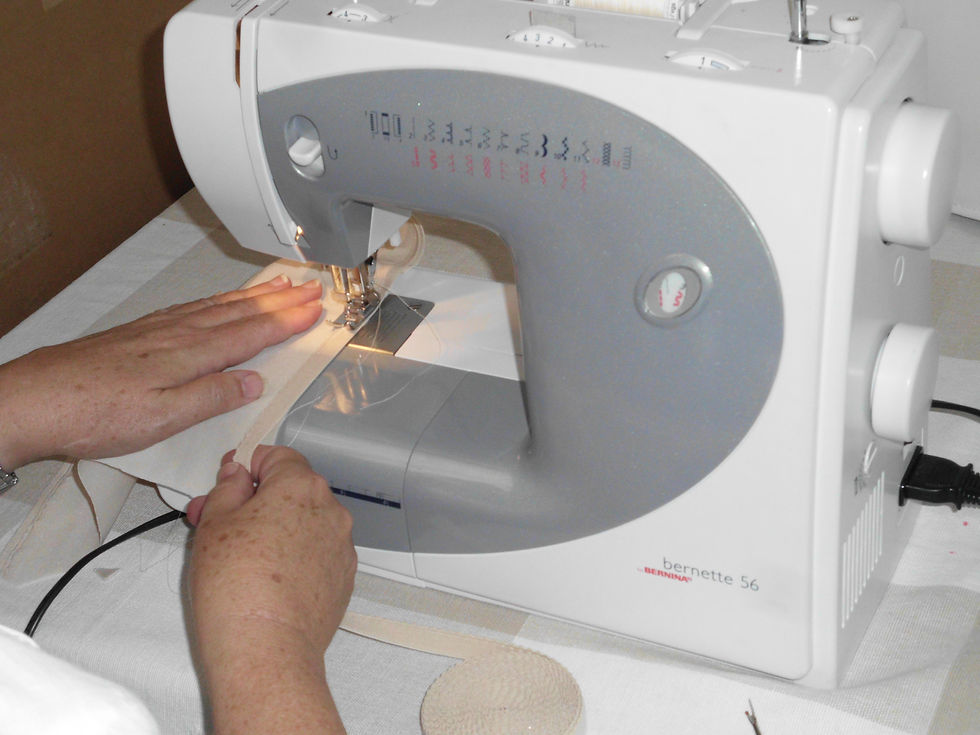
OT's have been specially trained to design and construct custom splints for each individual client.
Conditions include:
- burns
- amputations
- fracture of the hand or arm
- tendon and nerve injuries
- tendonitis
- rheumatoid and osteoarthritis
- carpal tunnel syndrome


pressure garments
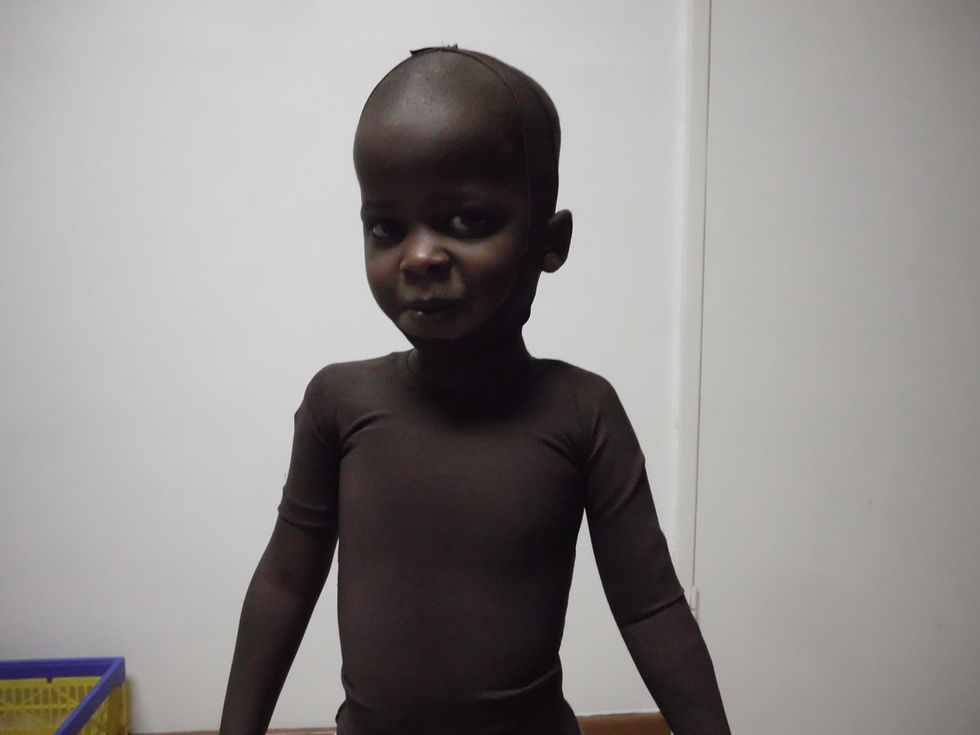
Occupational Therapists are trained to design and construct custom made pressure garments for treatment of oedema and hypertrophic scars caused by burns, other injuries or surgery.





geriatrics
Occupational Therapists help the elderly person to take part in everyday activities that hold meaning for the individual, such as dressing, bathing, leisure, etc., as well as community activities (e.g. going to church, social groups) as independently as possible.
To achieve this, the OT can use, and teaches the client to use, a variety of assistive devices.


neurology
Neurology rehabilitation is aimed at improving the well-being of a person who has suffered an injury or illness which has affected their brain, spinal cord and/or peripheral nerves. The treatment programme will help to improve function and reduce limitations in order for the patient to return to the highest possible level of function and independence in daily activities.


wheelchair seating
& training
Buying a wheelchair is almost like buying shoes – you cannot buy size 8 high heeled shoes if you are a size 6 and plan to go hiking. Therefore specific training is required to match the client’s condition, his environment, roles in life and specific needs with wheelchairs available. Occupational Therapists measure and assess the client’s body in detail, help to order the correct chair and then fit the chair to your body, making all the adjustments needed for your wheelchair to be a perfect fit for you.


functional capacity evaluations
When people get sick or are injured they sometimes cannot do their work anymore. The OT can test the different skills (or capacities) the client needs for his/her work. This information can be used to help adapt the person's job to his/her capabilities so that he/she can go on working in spite of their problems. It can also be used to decide whether a person can continue working or should go on a disability pension.


sensory integration
developmental delays
learning difficulties
paediatrics
A child with learning difficulties is thoroughly assessed for any sensory, fine and gross motor, as well as visual perceptual problems, as all of these can have a big impact on school performance.
When the problem areas have been identified, a treatment programme is individually designed for each child and carried out on a weekly basis, over an extended period of time.
early intervention
Early intervention refers to treatment of children between the ages of 0 - 3 years of age. This may encompass any of the fields of practice as determined by the child's and the family's needs.
intellectual impairment
Occupational Therapy enables persons with intellectual impairment to participate in meaningful everyday activities. These include self-care tasks (dressing, washing), school-related skills, hobbies and play. We aim for each individual to be as independent as possible by developing and maintaining skills and also making adaptations to the tasks or the environment. At high school age job related skills can be introduced in preparation for employment.
Occupational Therapists help children to develop visual perceptual- and sensory motor skills. Visual perception refers to the ability to recognize differences, positions/directions, etc. where sensory motor abilities include gross- and fine motor skills. All of these form an important foundation for participation in play (i.e. balance & co-ordination) and development.


cerebral palsy
OT's assist with normalising tone, improving motor control and we address the development of fine motor skills.
We also advise you and your child on easier methods of feeding (in conjunction with a Speech Therapist), dressing and everyday mobility. In addition we can prescribe and construct, or help to find, specialized equipment needed like spoons, cups, wheelchairs, positioners and more.
Sensory integration therapy is designed to help children who have difficulties with registering, organizing and/or interpreting the sensations of touch, taste & smell, hearing, sight, movement and body position.
For example, should a child have problems registering touch, he/she will find it difficult to hold a pencil correctly and to determine how hard to press when writing.
Other areas that can be affected are:
- behaviour (i.e. pushing and fighting when standing in lines and temper tantrums),
- poor concentration (inability to sit still) and
- emotions (i.e. anxious with regards to some movement).
autistism spectrum disorders
The autistic spectrum disorders are characterized by often diffuse but significant difficulties predominantly visible in communication and social skills resulting in restricted and repetitive behaviour.
Clients falling within the Autism spectrum, frequently have problems with sensory processing which often lead to undesirable behaviour. The OT can help these clients to learn developmental skills to improve coping with everyday challenges. Sensory integration therapy can address sensory processing problems. She can also help with creating the structure they need to be able to function.